Why Your Birdhouse is Empty — 7 Reasons Birds Are Not Using It

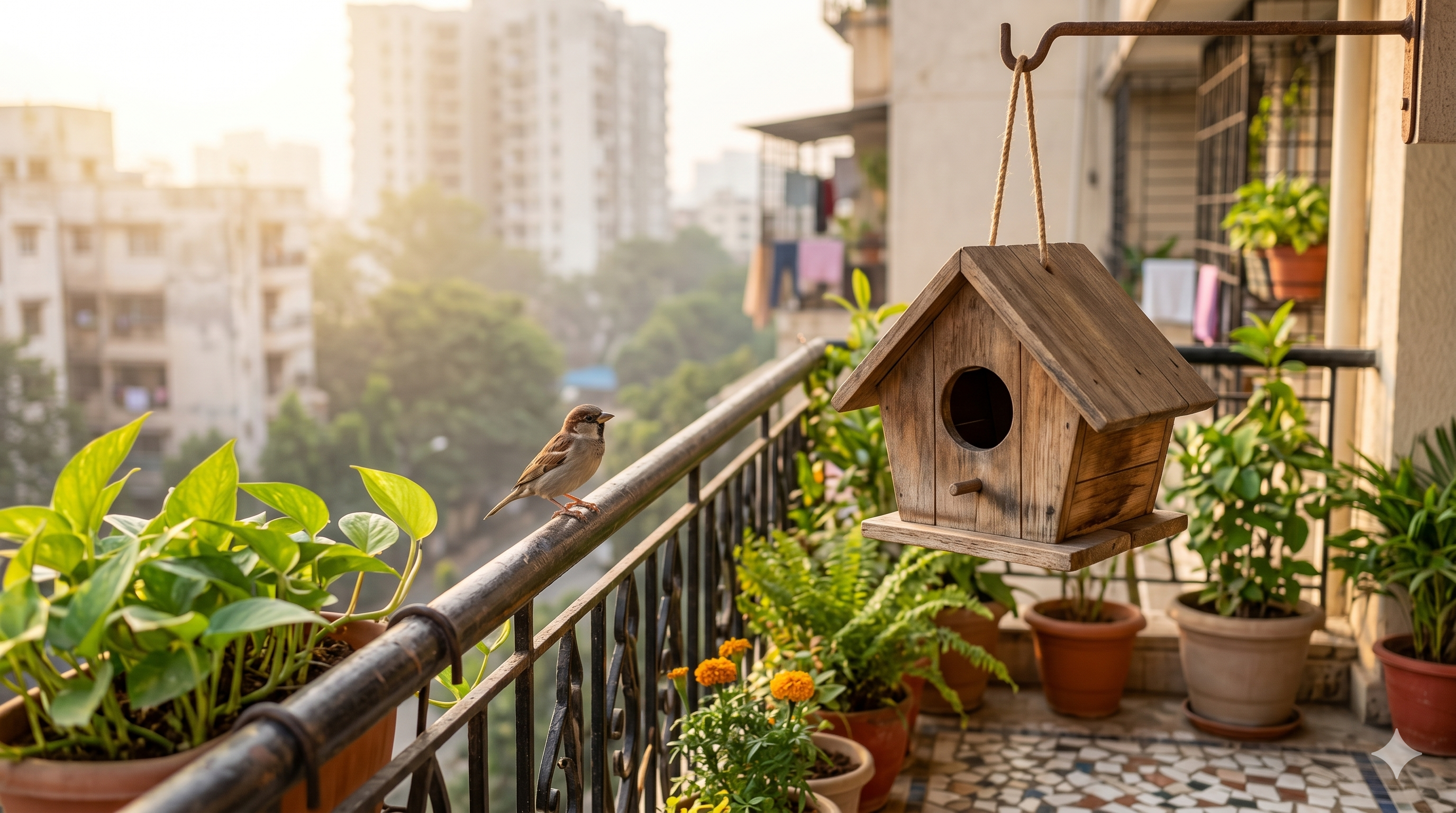
Why Birds Ignore Some Birdhouses
Birds do not choose a nesting place only because it looks nice. For birds, the first priority is safety. They look for a place where eggs and chicks can stay protected from crows, cats, heat, rain, and human disturbance.
A birdhouse may look perfect to us, but for birds it may feel risky. Even small things like wrong height, too much sunlight, a big entrance hole, or strong paint smell can make birds avoid it.
That is why understanding bird behaviour is important before changing the birdhouse again and again.
Reason 1: Your Birdhouse Is Placed in the Wrong Location
The most common reason birds do not use a birdhouse is poor placement.
If the birdhouse is placed in a very busy area, near a door, near a window with frequent movement, or in a noisy corner, birds may feel unsafe. Birds usually prefer quiet and stable places where there is less human activity.
A birdhouse placed too low can also become risky because cats, squirrels, or other animals can reach it easily.
Best Location for a Birdhouse
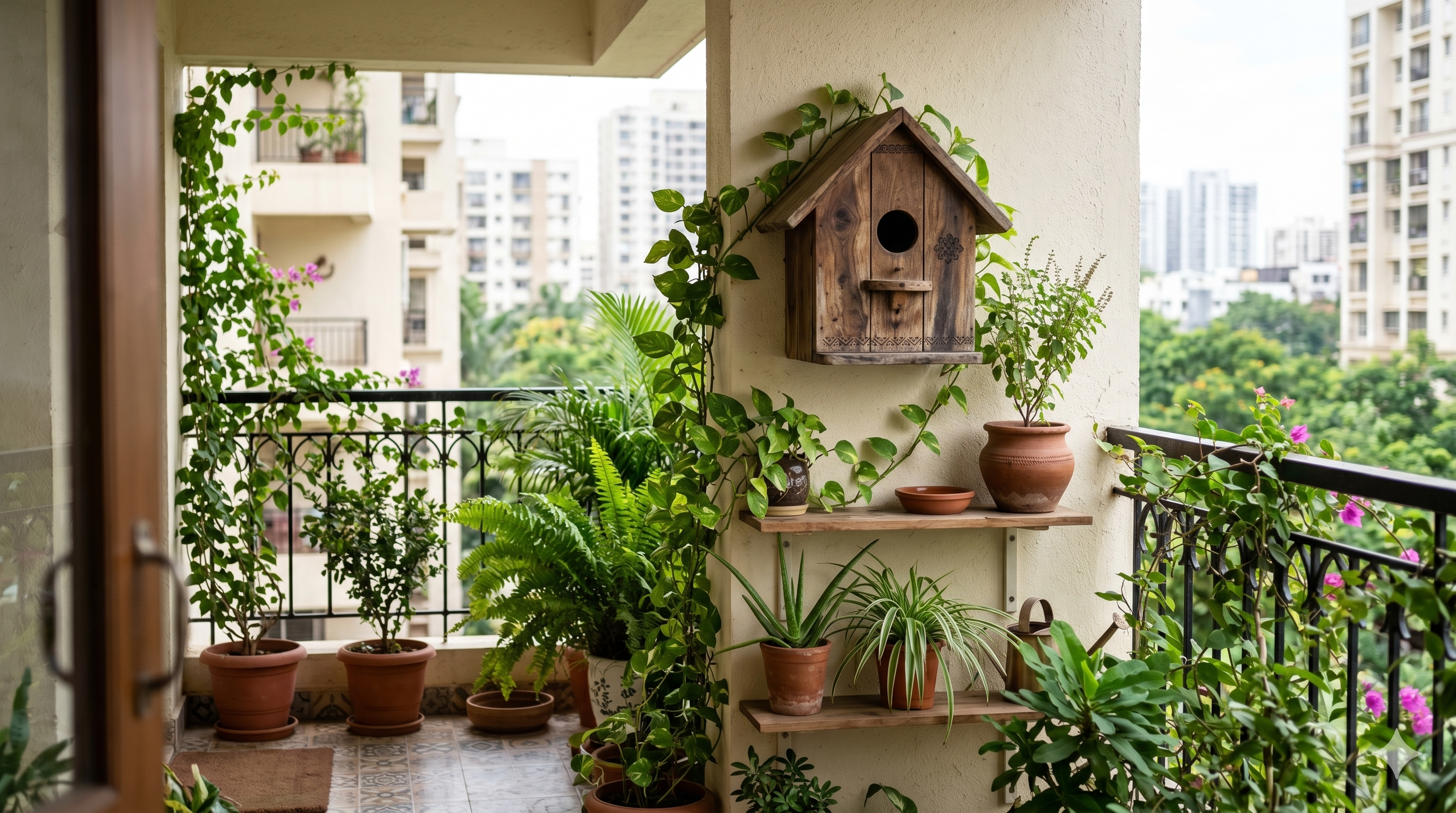
Place the birdhouse in a quiet corner of your balcony, garden, terrace, or outer wall. Make sure it is not touched frequently and is not directly beside a door or walking path.
For balcony apartments, a shaded corner with some plants nearby works well because birds feel more protected.
Reason 2: The Birdhouse Is Too Close to People
Birds avoid places where they see constant movement. If your birdhouse is near a sofa, chair, clothesline, kitchen window, or main balcony sitting area, birds may inspect it but never enter.
Even if birds come for food, nesting is different. A feeding spot can be slightly active, but a nesting spot must feel private.
How to Fix This
Move the birdhouse to a corner where you do not stand frequently. Do not keep checking inside the birdhouse every day. Birds may leave the area if they feel the nest is being watched.
Keep the birdhouse stable and avoid changing its position again and again.
Reason 3: The Birdhouse Is Not Safe from Crows and Cats
Birds will not use a birdhouse if they feel predators can reach it. In Indian cities, crows and cats are two major reasons small birds avoid nesting spots.
Crows can sit nearby and watch the entrance. Cats can climb railings, grills, shelves, or plant stands to reach the birdhouse.
If your birdhouse is near a railing, pipe, AC outdoor unit, wall edge, or tree branch, predators may get easy access.
How to Fix This
Place the birdhouse away from crow perching points. Keep it away from balcony railings where cats can jump. If possible, hang it from a smooth hook or mount it on a smooth pole.
You can also use a small entrance hole extender to make it harder for larger birds to reach inside.
Reason 4: The Entrance Hole Size Is Wrong
The entrance hole is one of the most important parts of a birdhouse. If the hole is too large, birds may feel unsafe because predators or bigger birds can enter. If the hole is too small, the target bird may not be able to enter comfortably.
For small birds like sparrows, the entrance should be comfortable but not oversized.
A large decorative hole may look attractive, but it can make the birdhouse less useful for nesting.
How to Fix This
Choose a birdhouse with a proper entrance size for small birds. Avoid birdhouses with very large open fronts if your goal is nesting.
The entrance should also be smooth and safe, without sharp edges.
Reason 5: The Birdhouse Has Strong Paint, Polish, or Chemical Smell
Birds have sensitive instincts. If a birdhouse has a strong smell of paint, varnish, glue, polish, or chemical treatment, birds may avoid it.
Many decorative birdhouses look beautiful but are not always suitable for nesting because they may have strong artificial finishes.You can also learn more about birdhouses and nest boxes on Wikipedia Birdhouse Guide.
How to Fix This
Use natural wooden birdhouses whenever possible. If the birdhouse is newly painted or polished, keep it outside in fresh air for several days before expecting birds to use it.
Avoid using strong-smelling cleaners inside the birdhouse. If cleaning is needed, use plain water and let it dry completely.
Reason 6: The Birdhouse Gets Too Much Heat, Rain, or Wind
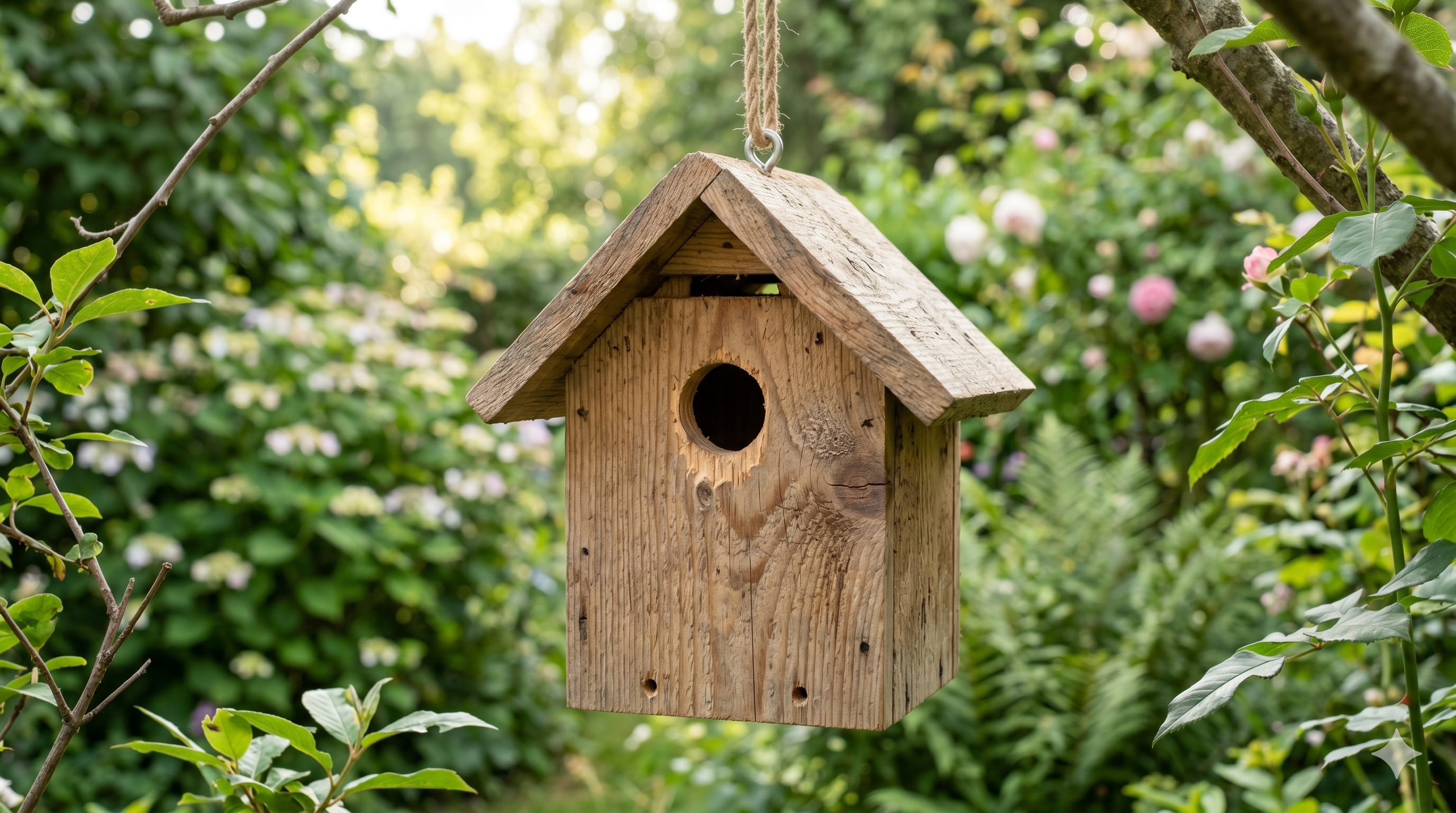
A birdhouse placed in direct afternoon sunlight can become very hot inside. Birds avoid nesting in places where eggs or chicks may overheat.
Similarly, if rainwater enters the birdhouse or strong wind shakes it continuously, birds may not use it.
A birdhouse should feel dry, shaded, and stable.
How to Fix This
Place the birdhouse where it gets morning light but is protected from harsh afternoon sun. Make sure the roof has a proper overhang so rainwater does not enter easily.
Also check that the birdhouse does not swing too much in strong wind. A slightly stable hanging setup is better than a loose, constantly moving one.
Reason 7: There Is No Bird-Friendly Environment Around It
Birds may ignore a birdhouse if there is no food, water, or natural cover nearby. Birds usually prefer nesting places where they can quickly find food and water.
But this does not mean you should place food directly inside the birdhouse. A birdhouse is for nesting, not feeding.
How to Fix This
Keep a bird feeder or water bowl nearby, but not directly at the entrance of the birdhouse. Place some balcony plants around the area to make birds feel safer.
Native plants, grains, and clean water can make your balcony or garden more bird-friendly.
Bonus Reason: You Are Expecting Results Too Quickly
Sometimes your birdhouse is fine, but birds simply need more time. Birds may visit a location many times before deciding to nest there.
They may sit nearby, inspect the entrance, check the surroundings, and then leave. This does not mean they rejected it permanently.
In many cases, birds may take several days or weeks to become comfortable with a new birdhouse.
What You Should Do
Be patient. Do not move the birdhouse every few days. Keep the setup stable, clean, and safe. Once birds start trusting the location, they are more likely to use it.
What to Do During Breeding Season
Breeding season is the time when birds are more likely to search for safe nesting places. During this time, avoid disturbing the birdhouse.
Do not open the birdhouse again and again. Do not touch eggs or nesting material if birds have started using it. Keep the area quiet and safe.
If birds are visiting but not entering, observe from a distance. Too much human attention can make them nervous.
Quick Checklist Before You Blame the Birdhouse
Before thinking your birdhouse is useless, check these points:
- Is the birdhouse placed in a quiet location?
- Is it safe from cats, crows, and squirrels?
- Is the entrance hole the right size?
- Is there any strong paint or polish smell?
- Is the birdhouse protected from direct heat and rain?
- Is there food and clean water nearby?
- Are you giving birds enough time to trust the place?
If most of these answers are yes, your birdhouse has a much better chance of attracting birds.
Frequently Asked Questions
1. Why are birds coming near my birdhouse but not entering it?
Birds often inspect a birdhouse several times before using it. They may be checking safety, predators, entrance size, and human movement around the area.
2. Should I put food inside the birdhouse?
No. A birdhouse is for nesting, not feeding. Keep food in a separate feeder nearby, but not inside the birdhouse.
3. How long does it take for birds to use a birdhouse?
It can take a few days, weeks, or even longer. Birds need time to trust a new location, especially in busy urban areas.
4. Can I move the birdhouse if birds are not using it?
Yes, but do not move it too frequently. Try one good location and keep it stable for some time before changing the place.
5. Should I add nesting material inside the birdhouse?
You can keep some dry grass or soft natural material nearby, but avoid stuffing the birdhouse completely. Many birds prefer arranging nesting material themselves.
6. Why is my birdhouse empty even though birds eat from my feeder?
Feeding and nesting are different behaviours. Birds may feel safe eating nearby but may not feel safe enough to nest in the same area.
Final Thoughts
An empty birdhouse does not always mean failure. Most of the time, birds are simply waiting for the right combination of safety, comfort, and trust.
Focus on the basics: quiet location, correct height, safe entrance, shade, protection from predators, and a bird-friendly environment.
Once your birdhouse feels safe, birds are much more likely to visit, inspect, and eventually use it for nesting.

Written by BirdKart
Sharing expert tips on bird homes, balcony birding, and nature-friendly living. We create practical guides, care tips, and product insights to help bird lovers choose the perfect bird homes and handcrafted water clay bowls for their outdoor spaces.