How to Attract Sparrows to Your Balcony in India (5 Simple Tips)

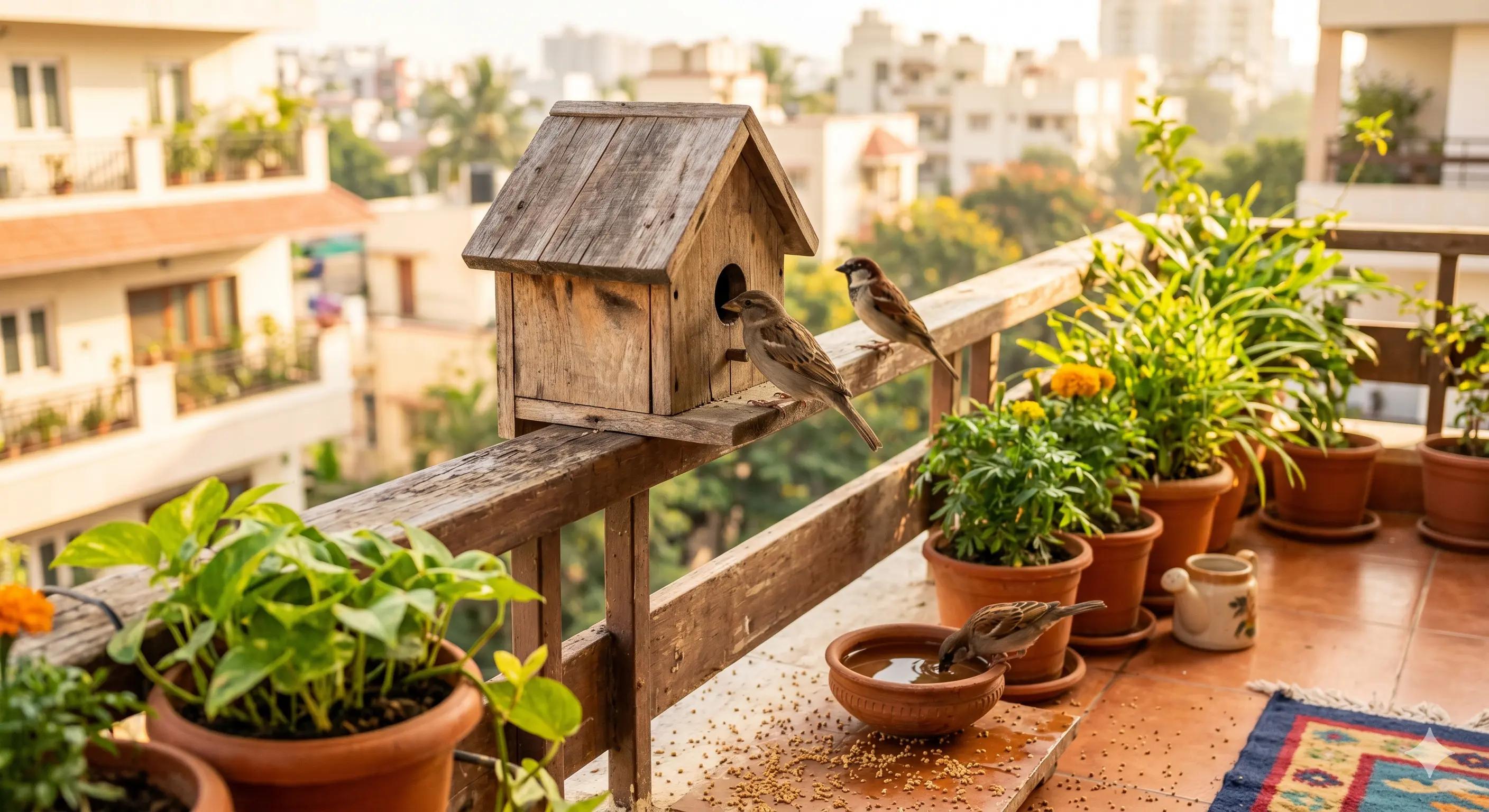
Do you remember waking up to the cheerful chirping of sparrows? For many of us growing up in Indian cities, that sound was just part of everyday life. But somewhere between concrete high-rises and our fast-paced urban routines, the house sparrow quietly disappeared from our windows and balconies.
The good news? You can bring them back. Learning how to attract sparrows to your balcony doesn't require a big garden or a fancy setup, just a few simple, mindful changes.
Whether you live in a Delhi apartment, a Bangalore flat, or a Mumbai high-rise, these 5 tips will help you attract sparrows to your balcony in India and turn your outdoor space into a safe little haven for these delightful birds.
Why Are Sparrows Disappearing from Indian Cities?
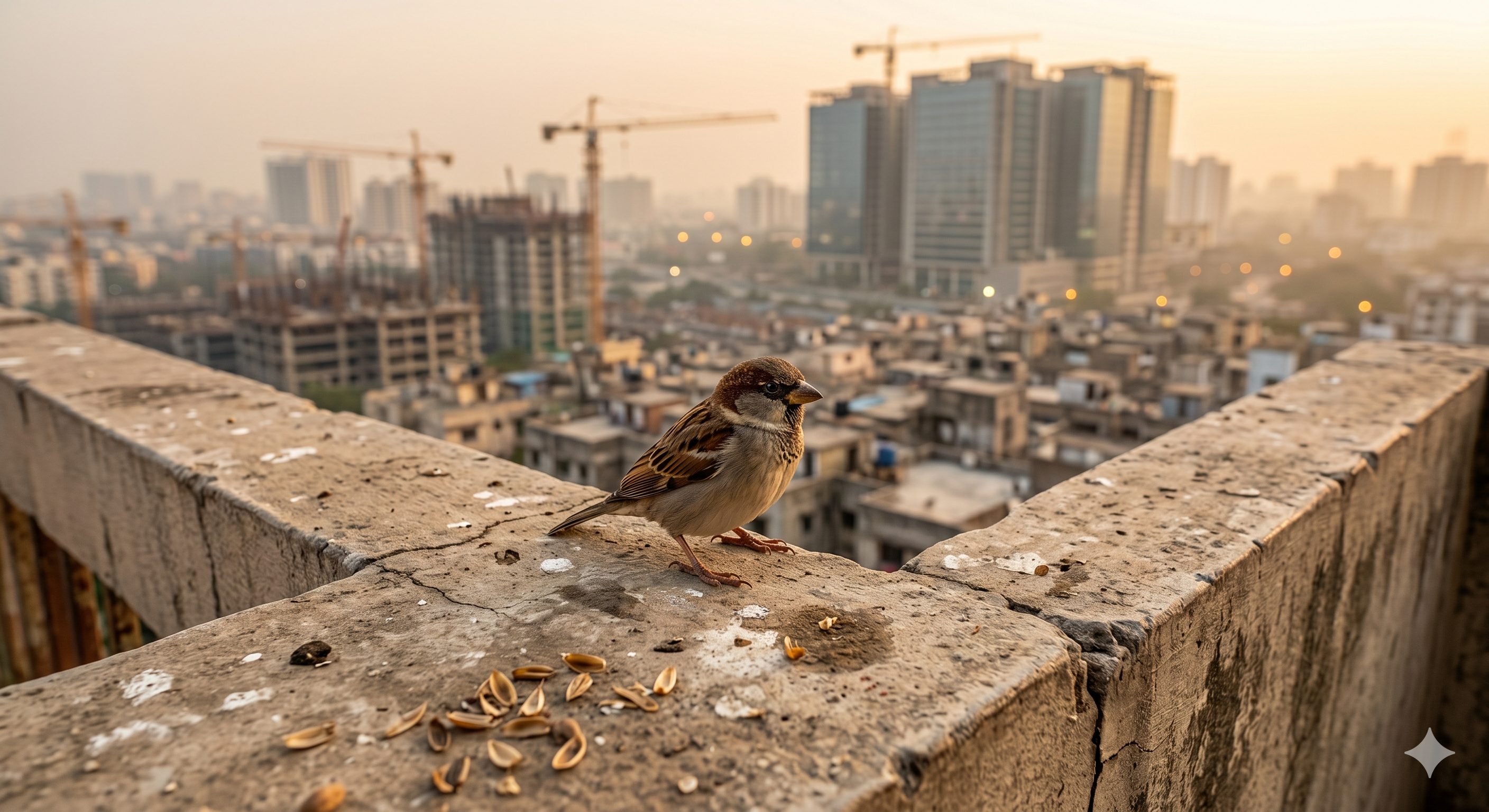
The house sparrow (Passer domesticus) was once the most common bird seen in Indian homes. Today, rapid urbanisation, loss of nesting sites, reduced green cover, and the widespread use of pesticides have led to a sharp decline in sparrow populations across cities like Mumbai, Delhi, Hyderabad, and Bengaluru.
The good news is that sparrows are resilient — they will return if you create the right environment for them. And that's exactly what this guide is about.
Tip 1: Set Up a Sparrow Bird Feeder on Your Balcony
The quickest way to start attracting house sparrows is to offer them food. Unlike some birds that prefer tube feeders, sparrows are ground feeders by nature — they like to eat from flat, open surfaces.
Best foods to place in a sparrow bird feeder for your balcony:
- Millet (bajra) — their absolute favourite
- Broken wheat (dalia)
- Rice (plain, uncooked or slightly soaked)
- Small seeds like sunflower seeds or jowar
- Breadcrumbs or cooked rice (occasionally)
Place a flat dish feeder or a low tray feeder in a corner of your balcony, away from heavy foot traffic. Refill it consistently — sparrows are creatures of habit and will return daily once they trust your space.
Tip 2: Place a Sparrow Nest Box in the Right Spot
One of the biggest reasons sparrows have vanished from urban India is the lack of nesting spaces. Modern buildings leave no gaps, crevices, or overhangs for birds to nest in.
Installing a sparrow nest box on your balcony can make a real difference — not just for you, but for local sparrow conservation.
What to look for in a sparrow nest box in India:
- Entry hole diameter of 3.2 to 3.5 cm small enough to block larger birds
- Made from untreated natural wood (avoid plastic, it overheats in Indian summers)
- Ventilation holes at the top for airflow
- A sloped roof to keep rain out
- No perch below the entry hole sparrows don't need it and it helps other birds invade
Where to hang it: Mount the nest box 2 to 4 metres above ground, on a shaded wall or under a balcony overhang. Avoid direct south-facing sun exposure, especially in cities with harsh summers like Delhi or Hyderabad.
A handmade wooden nest box is far more suitable for Indian weather conditions than factory-made plastic alternatives.
Tip 3: Keep a Fresh Water Source Available
Water is often overlooked, but it is just as important as food when it comes to attracting sparrows to your balcony in India especially during the scorching summer months.
Simple water setup tips:
- Use a shallow earthen bowl or a clay bird bath — no deeper than 4 to 5 cm
- Change the water daily to prevent mosquito breeding and algae
- Keep it in a shaded corner so it stays cool longer
- In peak summer (April to June), check water levels twice a day
A clay bowl placed near your feeder creates a welcoming feeding station that sparrows, mynas, and bulbuls will all visit regularly.
Tip 4: Add Some Native Plants or Dry Grass to Your Balcony
Sparrows love natural cover. In the wild, they nest in thick shrubs and foliage. On a balcony, you can replicate this by adding a few potted plants and some natural nesting material.
Plants that attract sparrows and other birds:
- Tulsi (holy basil) — attracts insects that sparrows eat
- Curry leaf plant (kadi patta)
- Marigold and sunflower (for seeds)
- Dense shrubs like jasmine or money plant
You can also leave a small bundle of dry grass, cotton wool, or thin twigs in an open corner of your balcony. Sparrows will use these materials to build or reinforce their nests.
Note: Avoid pesticide sprays on these plants entirely. Sparrows feed on small insects, and chemical sprays can harm them directly or eliminate their food source.
Tip 5: Be Consistent and Reduce Balcony Disturbances
Sparrows are smart but cautious. They observe a spot for several days before they trust it enough to feed or nest there. Consistency is your most powerful tool.
Habits that help attract and retain sparrows:
- Refill the feeder and water bowl at the same time every day
- Move slowly and quietly when sparrows are around
- Keep your balcony free of loud music or sudden sounds during early mornings
- Avoid placing shiny, reflective objects near the feeder — they can scare birds away
- If you have pets, manage their access to the balcony during feeding hours
Within 2 to 4 weeks of setting up your feeder, nest box, and water source, you should start seeing regular sparrow visitors. Once they associate your balcony with safety and food, they will return every single day.
Bonus: Best Time of Year to Start in India
“While you can set up your balcony bird station at any time, the ideal period to begin is between February and March—just before the breeding season of the House Sparrow (March to June). This gives sparrows enough time to discover your balcony and consider it as a potential nesting site. For more details, see Wikipedia: House sparrow.”
Post-monsoon (October to November) is also a great time, as many birds are scouting for safer habitats before winter.
Final Thoughts
Attracting sparrows to your balcony in India is less about equipment and more about intention. A clean water bowl, a handful of millet, a wooden nest box, and a quiet, welcoming space that's genuinely all it takes to make a difference.
As sparrow populations continue to decline in Indian cities, every balcony that becomes a safe feeding and nesting spot contributes to their recovery. You don't need a garden or countryside for this; your small urban balcony is enough.
Start with one step today. Put out a bowl of water and a handful of bajra. You might be surprised how quickly these little birds find their way back to you.

Written by BirdKart
Sharing expert tips on bird homes, balcony birding, and nature-friendly living. We create practical guides, care tips, and product insights to help bird lovers choose the perfect bird homes and handcrafted water clay bowls for their outdoor spaces.