DO SPARROWS RETURN TO THE SAME BIRDHOUSE EVERY YEAR?

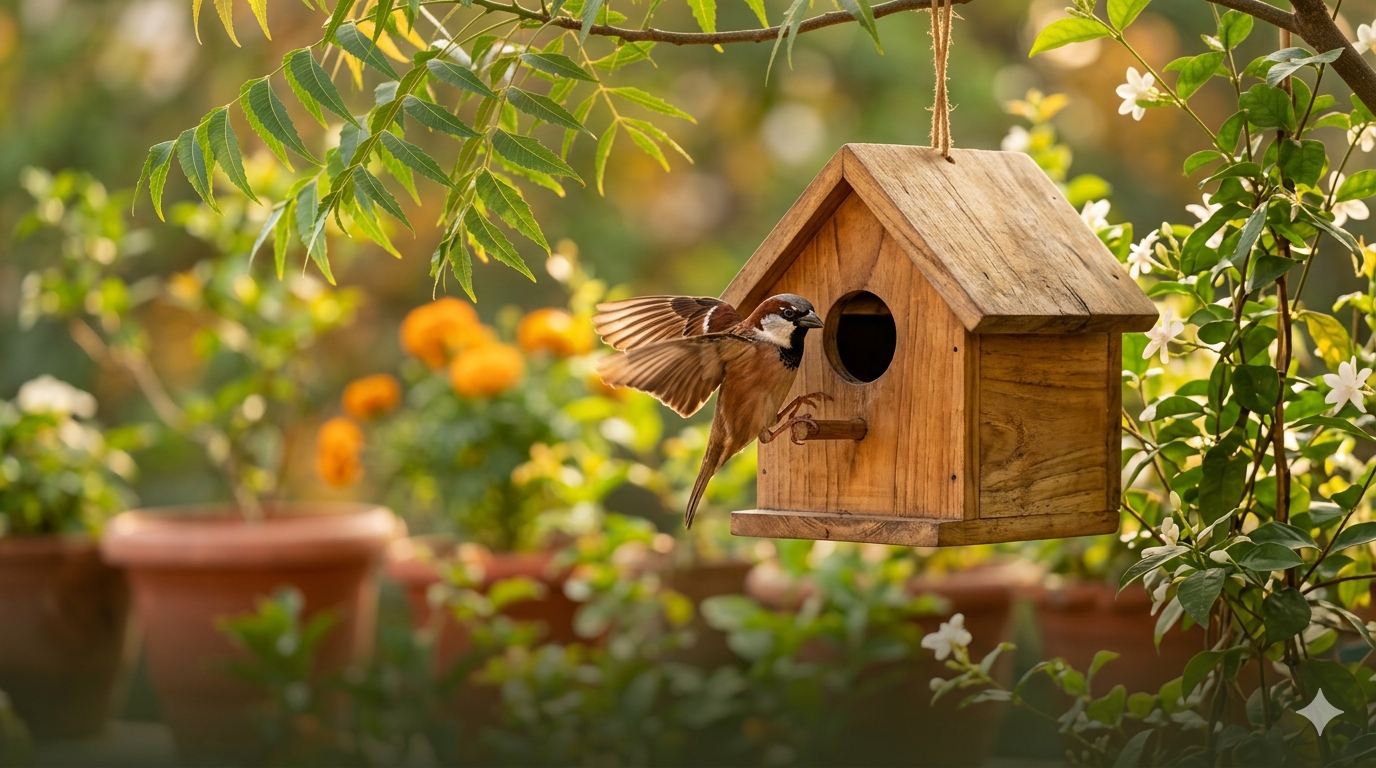
If you have ever hung a birdhouse in your garden and watched a pair of sparrows busily set up home, chirping, gathering grass, nudging each other through the tiny entrance, you may have wondered: will they be back next spring? It is a question that thousands of backyard bird lovers ask every year, and the answer is more fascinating than a simple yes or no.
House sparrows (Passer domesticus) are among the most familiar birds in urban and suburban landscapes across the world. They are cheerful, scrappy, and remarkably intelligent. If you are looking for a quality sparrow home to welcome these birds into your garden, their relationship with birdhouses is one of the most studied topics in backyard birding. Let us settle this question once and for all with real science, real behavior, and practical tips you can use this season.
The Short Answer: Yes, But It Is Complicated
House sparrows are not nomadic wanderers. Once they find a safe, food-rich territory, they stay fiercely loyal to it. Research shows that most adult house sparrows remain within a radius of just one to five miles from their original nesting site for the rest of their lives. So, in that sense, the birds that visited your birdhouse last year are very likely still in your neighbourhood this year.
But will they return to the same birdhouse specifically? The science is clear: house sparrows show what ornithologists call high nest-site fidelity, showing a strong tendency to return to and reuse the same nesting cavity year after year. Studies from rehabilitation experts note that sparrows "show high nest fidelity and return to the same nests every year to breed," with a life expectancy of six to ten years. That means your garden birdhouse could host the same pair for nearly a decade.
QUICK FACT
House sparrows can raise two to four broods in a single breeding season, which means a well-placed sparrow nest box that goes undisturbed could be occupied from February through August without a break.
Understanding House Sparrow Homing Behavior
To understand why sparrows return, you first need to understand how they think about home. Unlike migratory birds such as swallows or warblers, house sparrows are year-round residents. They do not leave for warmer climates in autumn. Many of them spend the winter months roosting in the very same cavity they nested in during summer, using the birdhouse as a warm shelter even when breeding season is over.
This is what makes sparrows such committed tenants. Because they use the nest nearly year-round, for raising young in spring and summer and for resting and roosting in fall and winter, the birdhouse essentially becomes their permanent home address. When breeding season begins again, they are already there.
Young sparrows, however, behave differently. Studies show that juvenile birds are far more likely to move away from their birth territory in search of their own nesting ground. Once they mature and pair up, they too settle into a location and repeat the cycle of loyalty their parents modeled.
"Imagine a human family adding an extension to their home instead of moving to a completely new one. That is essentially what sparrows do when they return to and renovate their old nest each year."
Why Sparrows Return: The Real Reasons
Sparrow loyalty to a birdhouse is not sentiment; it is survival logic. Here are the key reasons they come back:
- Energy conservation: Building a nest from scratch takes significant time, effort, and material. Returning to an existing cavity and simply renovating it saves precious energy that goes into breeding and feeding chicks instead.
- Proven safety record: If they successfully raised chicks in your birdhouse before, that location has already passed the safety test. No trial and error. Just familiar, proven shelter.
- Territorial memory: House sparrows are highly social and territorial. A male who has established a nesting site will defend it vigorously and return to claim it at the start of each breeding season.
- Proximity to food sources: Sparrows rarely stray more than a mile from a reliable food supply. If your garden has feeders, berry bushes, or insect-rich plants nearby, the birdhouse becomes even more attractive.
- Colonial nesting instinct: Sparrows often nest in loose colonies, sometimes with neighboring nests sharing a wall. Once an area becomes an established sparrow colony, birds return to that cluster season after season.
Factors That Determine Whether Sparrows Return
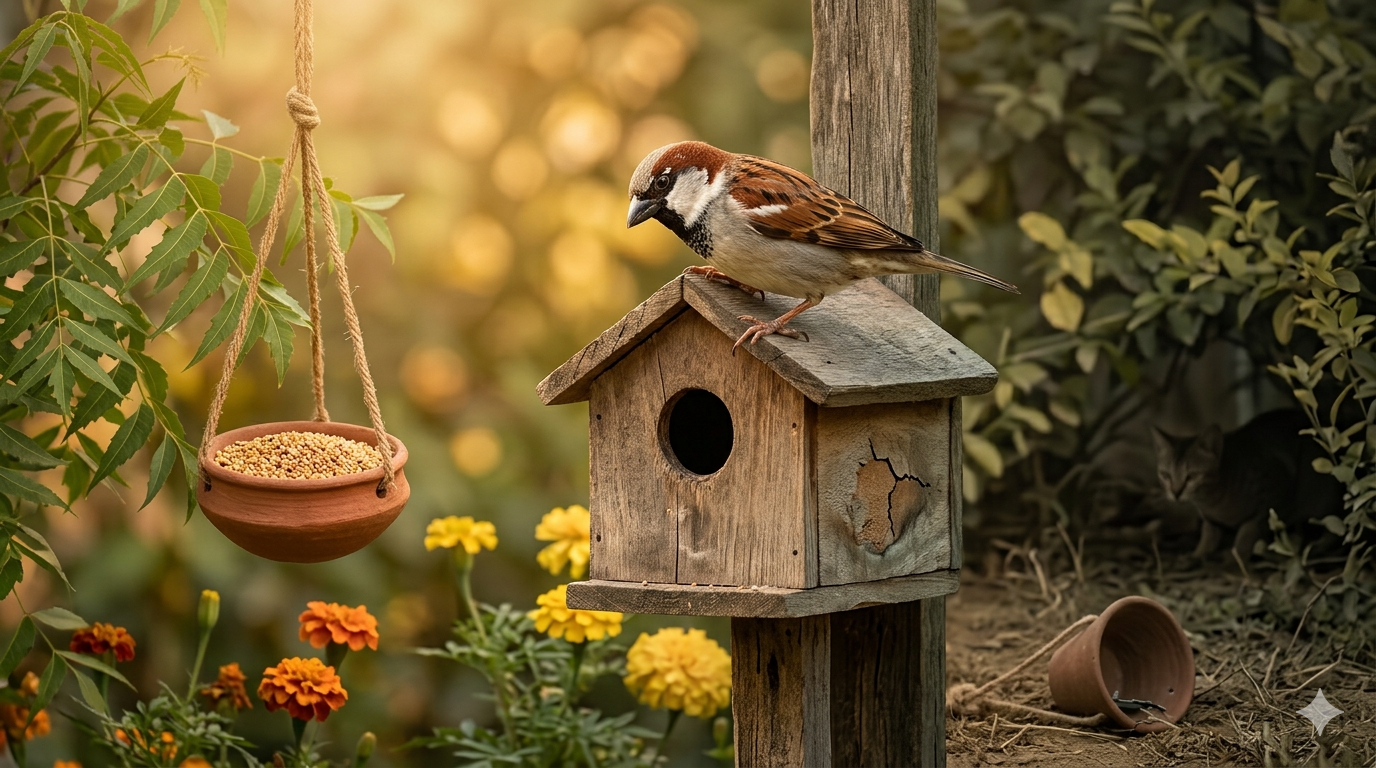
Return is not guaranteed, and knowing what can discourage a sparrow from coming back helps you avoid common mistakes. If you have ever wondered why your birdhouse is sitting empty, these are the most likely culprits:
1. The Condition of the Birdhouse
Sparrows are tidy in their own way. While they readily add fresh material to an existing nest, they will avoid a birdhouse that has rotted, collapsed, or become infested with mites and parasites over winter. An uncleaned nest from a previous season can harbour pests that drive new occupants away.
2. Disturbance and Predator Pressure
If the last nesting attempt was disrupted by a cat, a squirrel, or too much human activity nearby, the pair may avoid that site in the following season. Sparrows are cautious birds. A location that felt unsafe once will be remembered as unsafe.
3. Availability of Food
A sudden absence of food near the birdhouse, for example removing a bird feeder that used to be nearby, can push the birds to seek a new territory altogether, even if they would otherwise return.
4. Competition from Other Birds
House sparrows are assertive, but they are not invincible. In areas with heavy competition from starlings or other cavity-nesting species, a sparrow pair may lose their preferred birdhouse to a competitor and be forced to relocate.
5. Death or Loss of a Mate
Sparrows are largely monogamous and often mate for life. If one partner dies over winter, the surviving bird may abandon the original site and join a new territory or colony for the next breeding season.
How to Encourage Sparrows to Return Year After Year
Good news: there is a lot within your control. Follow these evidence-backed tips to make your birdhouse the one sparrows come home to every spring:
- Clean the birdhouse each autumn: Remove the old nest material after the final brood has fledged. Scrub the interior with a diluted bleach solution, rinse thoroughly, and allow it to dry completely. A clean, parasite-free cavity is enormously attractive come spring.
- Choose the right entrance hole size: The right birdhouse size for sparrows uses an entrance diameter of 1.25 to 1.375 inches. This excludes larger, more aggressive birds like starlings while welcoming sparrows comfortably.
- Mount it at the right height: Sparrows prefer birdhouses mounted between 6 and 12 feet off the ground, on a post or wall, facing away from the prevailing wind direction.
- Keep feeders stocked year-round: Consistent food supply, especially millet, nyjer seed, and sunflower chips, keeps the birds anchored to your garden through winter and right back into breeding season.
- Reduce predator access: Add a baffle on the mounting pole to prevent cats and squirrels from climbing to the birdhouse.
- Avoid disturbing the nest during breeding: Resist the urge to check on eggs or chicks too frequently. Repeated human visits near an active nest can cause the parents to abandon it entirely.
- Provide nesting material nearby: A small pile of dry grass, thin twigs, and feathers near the birdhouse gives returning sparrows a ready supply of renovation material, making your site even more appealing than starting from scratch elsewhere.
When Sparrows Do Not Come Back: What It Means
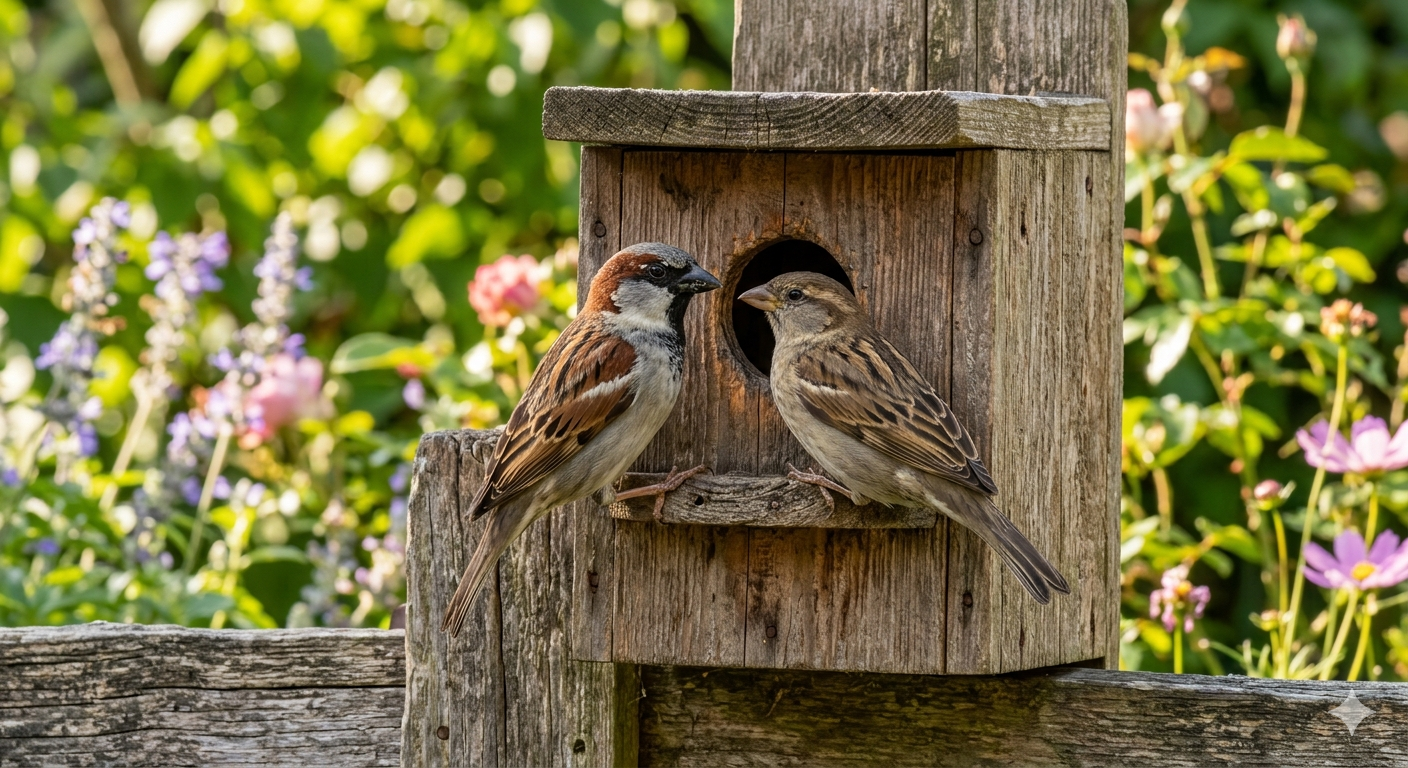
If sparrows have not returned to your birdhouse by mid-spring, do not panic immediately. Breeding timelines shift with weather; in a cold spring, nest selection can be delayed by several weeks. However, if the birdhouse sits empty well into May, it helps to understand the common reasons birds are not using your birdhouse before making changes.
The most common cause is a change in the local environment: a new cat in the neighbourhood, removal of nearby food sources, or a structural issue with the birdhouse itself such as rot, a loose roof, or a blocked entrance. Occasionally, the original pair simply does not survive winter. In that case, a different pair of sparrows, often young birds looking to establish their first territory, may move in later in the season.
Remember: even if the original pair does not return, the birdhouse itself builds a reputation in the local sparrow community. A well-placed, well-maintained handmade sparrow birdhouse has a strong chance of attracting new occupants, and once a pair raises chicks there successfully, their own loyalty cycle begins.
The Bottom Line
Do sparrows return to the same birdhouse every year? In the overwhelming majority of cases, yes, they do, and with remarkable consistency. House sparrows show strong nest-site fidelity rooted in energy efficiency, territorial loyalty, and the simple logic of returning to a place that worked. Their tendency to use the same cavity across all seasons means the birdhouse in your garden is not just a seasonal visit; it is a home.
Your role as the birdhouse host is straightforward: keep it clean, keep it safe from predators, and keep the surrounding garden rich with food and greenery. If you are ready to get started, explore our Sparrow Homes collection at BirdKart. Do that, and the chirp at your birdhouse entrance next spring will almost certainly belong to a familiar, returning resident.

Written by BirdKart
Sharing expert tips on bird homes, balcony birding, and nature-friendly living. We create practical guides, care tips, and product insights to help bird lovers choose the perfect bird homes and handcrafted water clay bowls for their outdoor spaces.